
When you spot a line of ants marching across your kitchen counter or hear scratching in the walls late at night, the immediate question becomes: should you handle this yourself or call in an expert? Both DIY pest control and hiring a professional have their place, and the right choice depends on your specific situation, the type of pest you're dealing with, and your comfort level with chemicals and critters. Understanding when each approach makes sense can save you time, money, and unnecessary frustration.
DIY Pest Control: When It Works and When It Doesn't
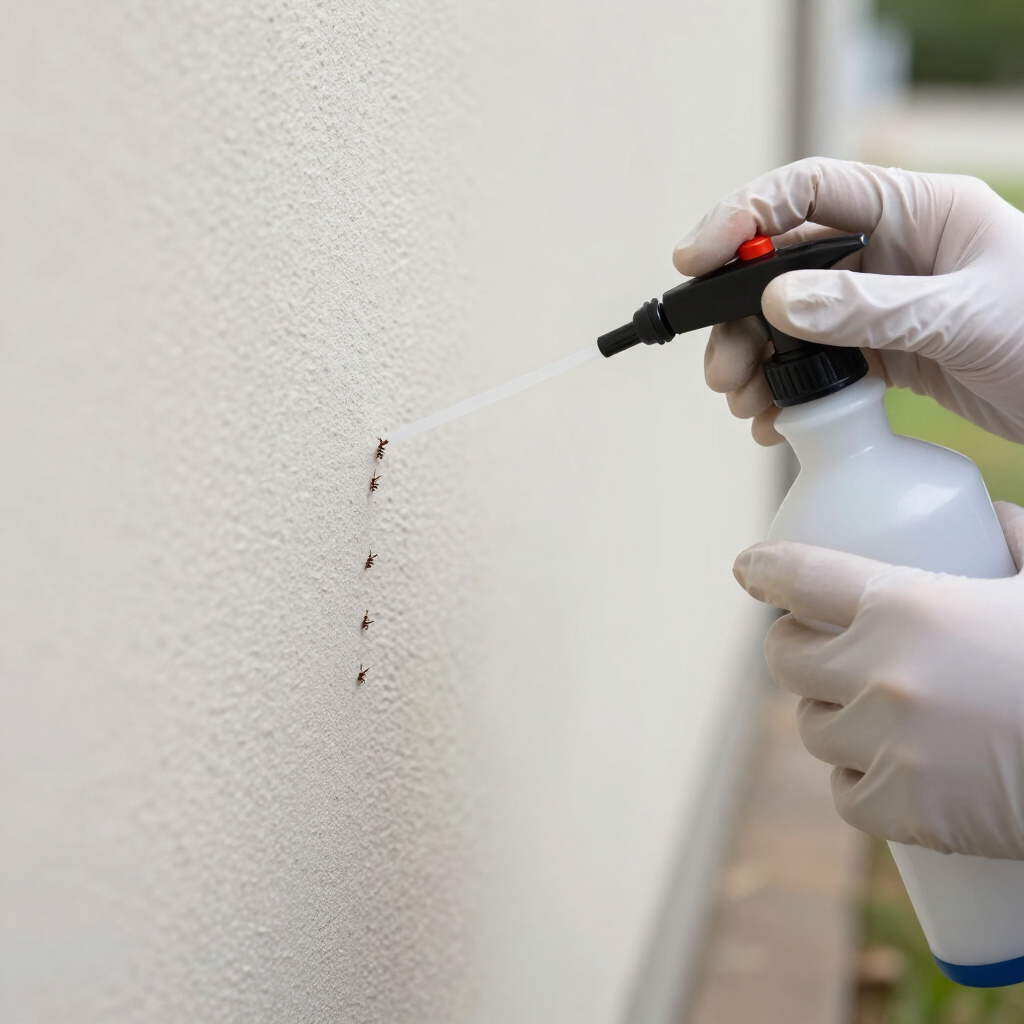
DIY pest control can be effective for minor, isolated problems. A few fruit flies hovering around ripe bananas? A vinegar trap often does the trick. A single wasp nest visible and accessible on your porch? An over-the-counter spray might handle it. The appeal is obvious: lower upfront costs, immediate action, and no need to schedule around someone else's availability.
The best candidates for DIY approaches include preventive measures and small-scale interventions. Sealing cracks around windows and doors, keeping food in airtight containers, maintaining dry conditions in basements and crawl spaces, and trimming vegetation away from your foundation are all powerful pest deterrents that homeowners can implement effectively. Store-bought baits for common ants and sticky traps for occasional spiders also fall into this manageable category.
However, DIY methods have significant limitations. Most over-the-counter products are designed to kill pests on contact rather than eliminate colonies or address root causes. You might see fewer cockroaches for a week, but the nest hidden behind your dishwasher remains untouched. Misapplication of pesticides poses real risks too—using the wrong product in the wrong place can endanger pets, children, and beneficial insects, or simply render the treatment ineffective. Perhaps most frustratingly, DIY efforts often lead to a cycle of temporary relief followed by recurring problems, with costs adding up over multiple failed attempts.
Hiring a Professional: Expertise That Pays Off
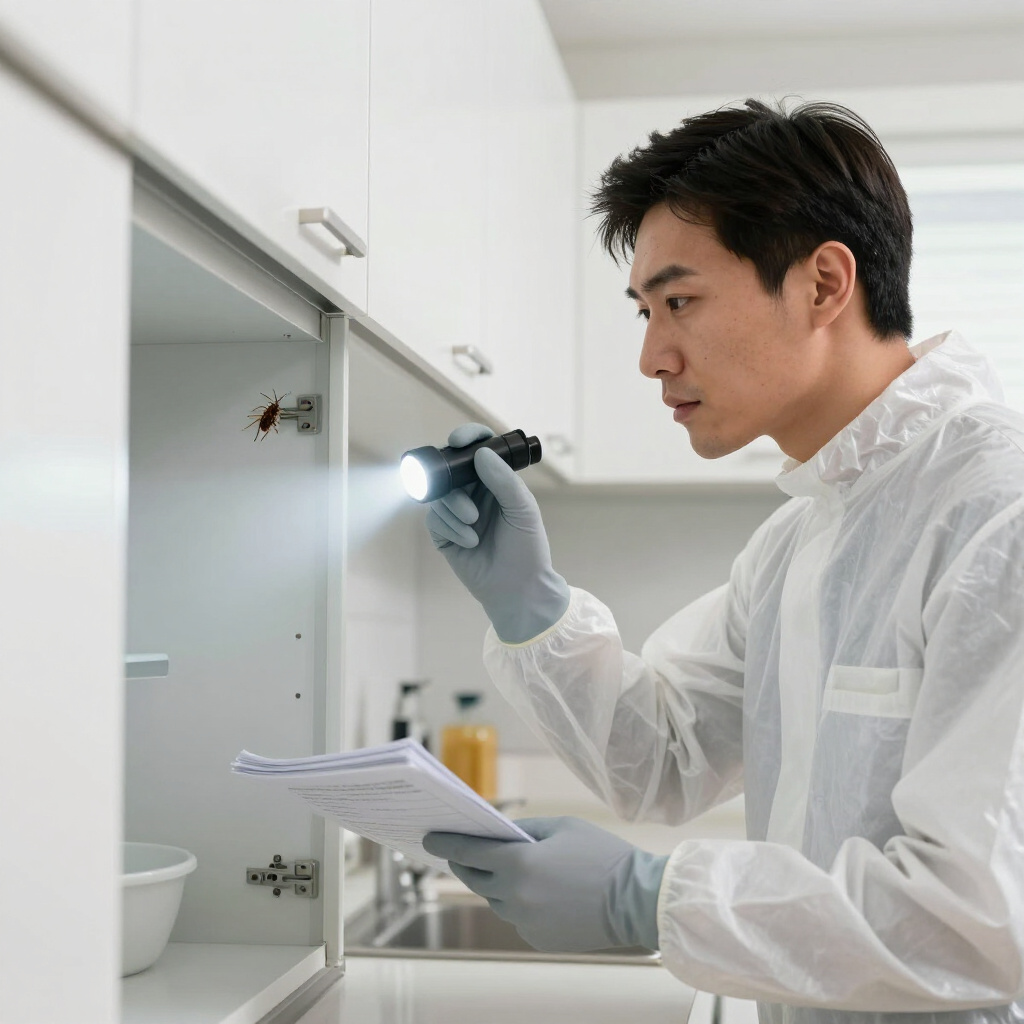
Professional pest control brings training, experience, and access to tools that homeowners simply cannot match. Licensed technicians understand pest biology and behavior, allowing them to identify not just what you're seeing, but where the real problem originates. That occasional mouse in your garage might signal a dozen more nesting in your insulation; the professional spots the entry points, nesting materials, and feeding patterns that an untrained eye misses.
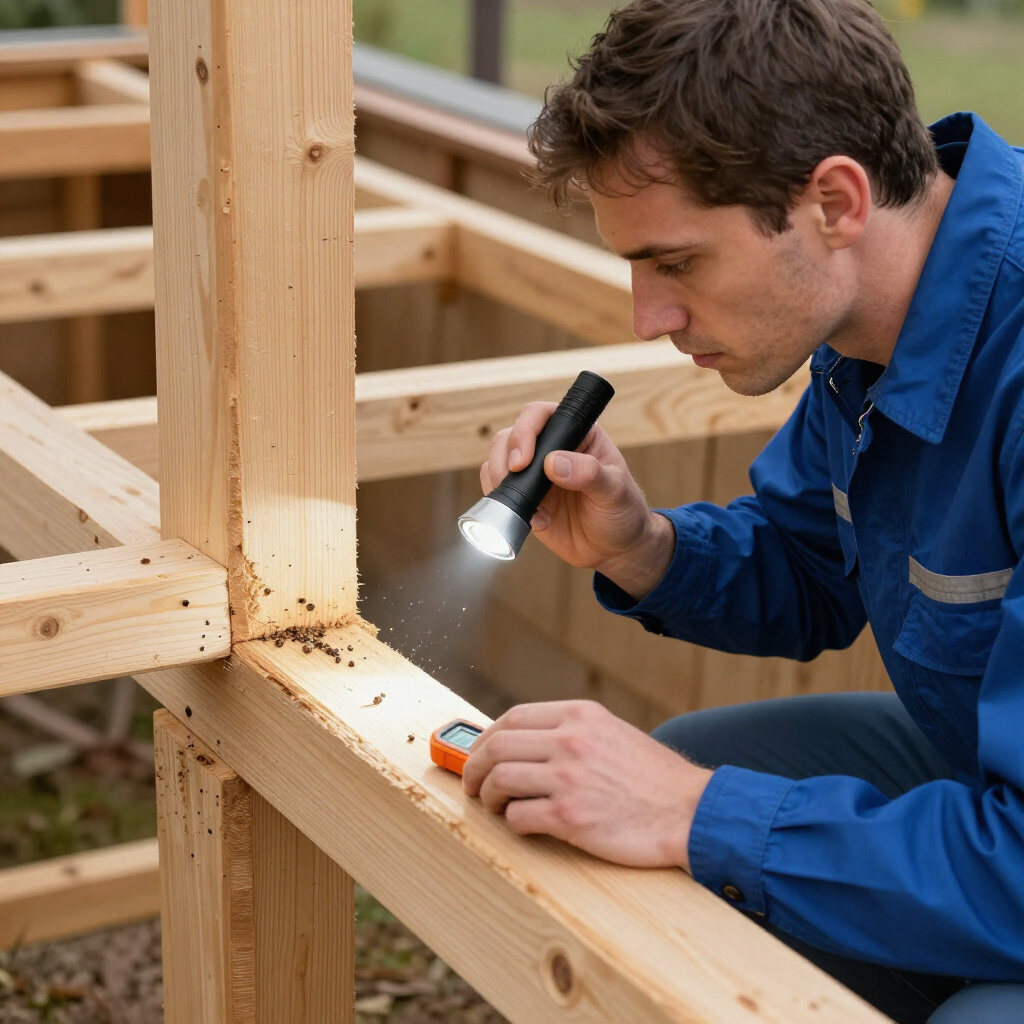
Certain situations virtually demand professional intervention. Termite infestations require specialized detection equipment and targeted treatments that protect your home's structural integrity. Bed bugs have developed resistance to many common insecticides and demand integrated approaches combining heat treatment, precise chemical application, and follow-up monitoring. Extensive cockroach infestations, recurring rodent problems, and any pest issue in food service or healthcare settings also warrant expert attention.
Beyond solving the immediate problem, professionals provide something DIY methods rarely achieve: warranty and follow-up. Reputable companies return if pests persist, adjust treatments based on results, and help you implement long-term prevention strategies. They also handle regulated substances safely and legally, reducing your liability and health risks.
Key Tips for Making the Right Choice
Start with honest assessment. Consider the pest type, infestation size, and location. A handful of silverfish in a bathroom suggests moisture control efforts you can handle yourself. Raccoons in your attic or carpenter ants in your walls? Those scenarios call for professional expertise.
If you pursue DIY pest control, read all labels carefully and follow them precisely. Never use outdoor products indoors or apply more than recommended amounts. Keep records of what you used and where, and know when to abandon the effort—typically after two failed attempts with appropriate products used correctly.
When selecting a professional, verify licensing and insurance. Ask about their integrated pest management approach, which emphasizes inspection, identification, and targeted treatment over blanket pesticide application. Request specifics about what the service includes, guarantee terms, and whether they offer green or reduced-chemical options if that matters to you.
Consider hybrid approaches too. Many homeowners successfully handle routine prevention themselves while scheduling annual professional inspections to catch problems early. This strategy often provides the best balance of cost control and peace of mind.
Final Thoughts
DIY pest control versus hiring a professional isn't an either-or proposition—it's about matching the right response to the specific challenge you face. Simple, preventive measures and minor, clearly defined problems often respond well to diligent homeowner effort. Complex infestations, protected or dangerous pests, and situations threatening health or property structure deserve professional attention. The most expensive choice is usually the one that delays effective treatment, allowing a manageable problem to grow into a costly crisis. Trust your observations, respect your limits, and don't hesitate to seek expert help when the stakes rise beyond your comfort and capability.