
There's nothing quite like that sinking feeling when you flip on the kitchen light and see a cockroach skitter across your counter. These resilient pests don't just trigger disgust—they can contaminate food, trigger allergies, and multiply with alarming speed. The good news? You absolutely can get rid of cockroaches fast when you combine the right tactics and strike at the source. Whether you're dealing with a sudden sighting or suspect a larger infestation hiding behind your walls, this guide will walk you through proven, practical steps to reclaim your home.
How to Get Rid of Cockroaches Fast with Immediate Action
Speed matters when you're fighting cockroaches. These insects reproduce quickly, so every day you wait gives them more time to establish nests and expand their numbers. Start your attack with these rapid-response strategies.
Eliminate food and water sources first. Cockroaches can survive weeks without food but only days without water. Fix leaky faucets, wipe down sinks before bed, and remove pet water bowls overnight. Store all food in airtight containers, clean crumbs from toasters and stovetops, and never leave dirty dishes sitting out. Take garbage out daily and use cans with tight-fitting lids.
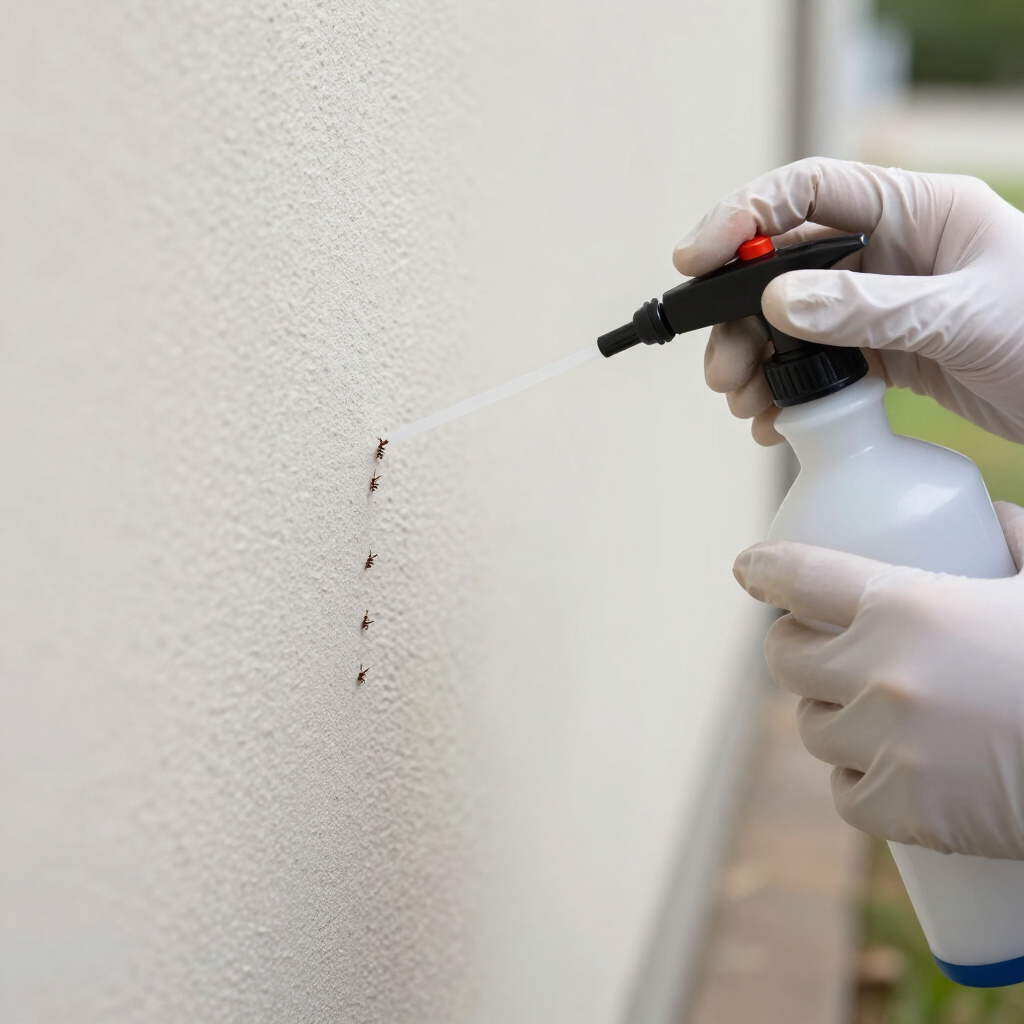
Deploy fast-acting baits and gels. Gel baits containing fipronil or hydramethylnon work exceptionally well because cockroaches eat the poison and carry it back to their harborage, killing others through contact and feces. Apply pea-sized dots in cracks, under appliances, behind cabinets, and near water sources. Avoid spraying insecticide near bait placements—sprays repel roaches and prevent them from consuming the poison.
Use insecticidal dust in hidden spaces. Boric acid and food-grade diatomaceous earth both desiccate cockroaches on contact. Apply thin layers in wall voids, under baseboards, behind electrical outlets, and in attic spaces. These work slower than baits but provide long-term residual protection in areas you can't monitor daily.
Target Their Hiding Spots and Entry Points
Cockroaches are thigmotactic—they love squeezing into tight spaces where their bodies touch surfaces on all sides. This behavior makes them frustratingly hard to find, but it also gives you predictable places to strike.
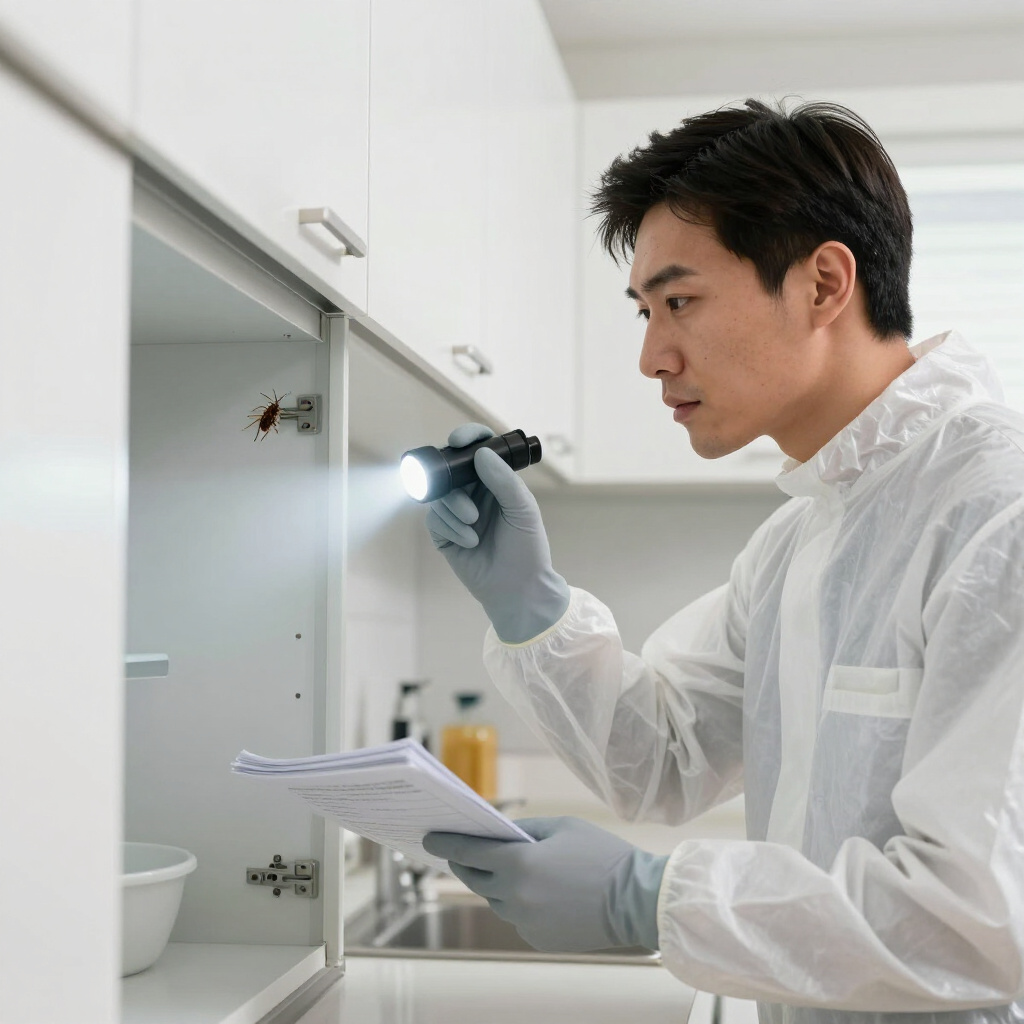
Conduct a thorough inspection of your kitchen and bathrooms, focusing on warm, humid areas near water. Pull out the refrigerator and stove to clean and treat behind them. Check under sinks where pipes enter walls, inside cabinet hinges, and around door frames. German cockroaches, the most common indoor species, rarely travel more than a few feet from their harborage, so concentrated treatment near sightings usually yields fast results.
Seal entry points with caulk or steel wool. Close gaps around plumbing penetrations, weatherstrip doors and windows, and repair torn screens. If you live in an apartment building, roaches may enter from neighboring units through shared walls—talk to your landlord about coordinated treatment and seal around pipes and electrical outlets that connect units.
Reduce clutter dramatically. Cardboard boxes, paper bags, and stacks of newspapers provide ideal harborage. Switch to plastic storage containers and keep items off floors when possible. The fewer hiding spots you offer, the more likely roaches are to encounter your bait and dust treatments.
Key Tips for Accelerating Your Results
Getting rid of cockroaches fast requires more than just buying the right products—it's about using them strategically and maintaining relentless pressure.
Rotate your bait formulations. Cockroaches can develop bait aversion, particularly to glucose-based products. If you notice baits being ignored after initial success, switch to a different active ingredient. Some populations have evolved to avoid certain sugars, so protein-based or oil-based alternatives may prove more effective.
Place bait stations correctly. More is not always better. Overwhelming an area with bait can actually reduce consumption. Space gel placements about 12-18 inches apart in areas of known activity. Check and refresh baits every two weeks until you stop seeing roaches entirely, then maintain quarterly preventive applications.
Don't rely on foggers or bug bombs. These products spray pesticide into the air but rarely penetrate the cracks and crevices where roaches actually hide. Worse, they can drive roaches deeper into walls and spread them to new areas. They're also less effective against egg cases (oothecae), which protect developing nymphs from chemical exposure.
Consider professional heat treatment for severe infestations. When cockroaches have spread throughout a structure, raising temperatures to 120-140°F for several hours kills all life stages—including eggs—without chemical residue. This approach works fastest for entrenched problems but requires specialized equipment and expertise.
Maintain vigilance after success. Even after eliminating visible roaches, egg cases may hatch weeks later. Continue monitoring with sticky traps in suspect areas, and keep your sanitation standards high. One female German cockroach and her offspring can produce thousands of descendants in a single year, so early intervention at the first sign of return is essential.
Final Thoughts
Learning how to get rid of cockroaches fast comes down to understanding their biology and exploiting their vulnerabilities. These pests need food, water, and shelter—the same things we all need. Remove those essentials, deliver targeted treatments to their hiding places, and seal off entry routes, and you'll turn the tide quickly.
Most homeowners can handle minor infestations with persistence and the right products. However, if you're seeing roaches during daylight hours (indicating overcrowding), finding egg cases, or struggling despite weeks of effort, professional pest control may be necessary. Experienced technicians have access to stronger formulations, growth regulators that prevent reproduction, and the inspection tools to find harborage areas you might miss.
The fastest path to a cockroach-free home starts tonight: clean your kitchen thoroughly, set out fresh bait in strategic locations, fix any moisture issues, and inspect your most vulnerable spaces. Consistency over the next two to four weeks will break the reproductive cycle and give you back the peace of mind every home deserves.