

There's nothing quite like the surprise of spotting a spider skittering across your living room floor or hanging out in a bathroom corner. While most household spiders are harmless and even helpful for controlling other insects, it's completely understandable to prefer they stay outside where they belong. If you're tired of sharing your space with eight-legged roommates, the good news is that keeping spiders out of your house doesn't require harsh chemicals or constant vigilance—just some smart, consistent habits and a little know-how.
How to Keep Spiders Out of Your House by Sealing Entry Points
Spiders are master contortionists, capable of squeezing through gaps you'd barely notice. The most effective long-term strategy for spider prevention starts with making your home physically inaccessible to them.
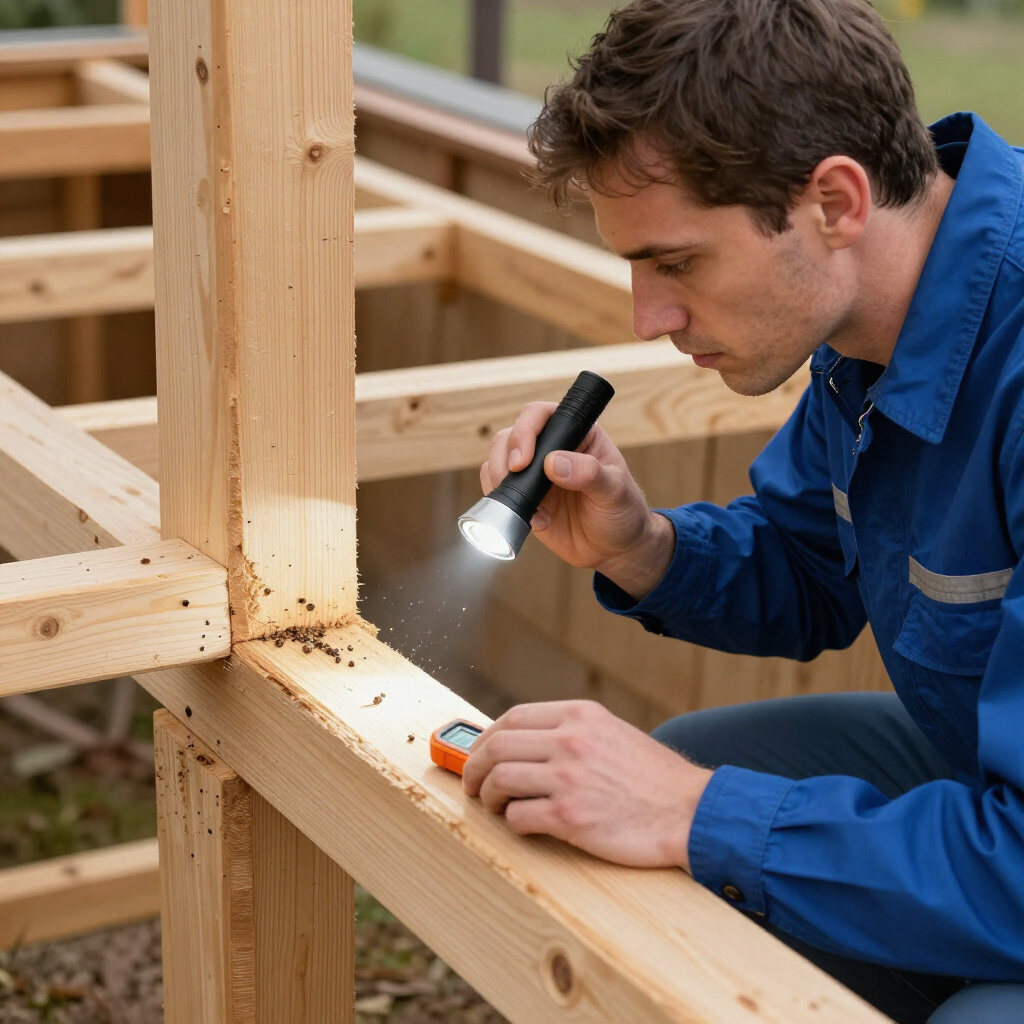
Begin with a thorough inspection of your home's exterior. Check around windows and doors for worn weatherstripping, damaged screens, or gaps in caulking. Even a crack the width of a pencil is an open invitation. Pay special attention to utility penetrations—where pipes, cables, and vents enter your home—as these are common spider highways.
Don't forget less obvious entry points: foundation cracks, spaces under doors, gaps in siding, and uncovered chimney flues. Use silicone caulk for smaller cracks, steel wool combined with caulk for larger openings, and door sweeps for ground-level gaps. Repair or replace torn window screens promptly, and consider adding fine mesh screens over vents and weep holes.
This foundational work does double duty: it also helps with energy efficiency and keeps out other pests that spiders prey upon. Fewer insects inside means fewer reasons for spiders to enter in the first place.
Reduce Spider-Friendly Conditions Inside and Out
Spiders need three things to stick around: shelter, moisture, and food. Disrupt this trifecta, and your home becomes far less appealing.
Inside, focus on eliminating clutter where spiders love to hide. Cardboard boxes, piles of newspapers, and overstuffed closets create perfect harborage. Switch to plastic storage containers with tight-fitting lids, keep items off the floor when possible, and vacuum regularly in corners, along baseboards, and behind furniture. Use a vacuum with a hose attachment to suck up webs, egg sacs, and the spiders themselves—just be sure to empty the canister or bag outside afterward.
Moisture control is equally important. Spiders gravitate toward damp areas like basements, crawl spaces, and bathrooms. Run a dehumidifier in chronically humid areas, fix leaky pipes and faucets promptly, and ensure proper ventilation in bathrooms and kitchens. Outside, keep gutters clean and functioning, direct downspouts away from your foundation, and trim vegetation so it doesn't touch your home's exterior.
Your landscaping choices matter more than you might think. Woodpiles, compost bins, and dense shrubbery pressed against your house serve as spider condominiums that gradually expand indoors. Store firewood at least twenty feet from your home and elevate it off the ground. Maintain a tidy perimeter zone—about a foot of clear space between your foundation and any mulch, plants, or debris.
Key Tips for Natural and Targeted Spider Deterrence
Once you've addressed entry points and habitat, these additional tactics help reinforce your spider-free zone.
Lighting adjustments: Outdoor lights attract flying insects, which in turn attract spiders hunting for meals. Switch to yellow or sodium vapor bulbs that are less attractive to insects, or position lights to shine away from doorways and windows rather than directly on them. Motion-activated lights reduce constant illumination while still providing security.
Natural deterrents: While scientific evidence is limited, many homeowners report success with peppermint oil, vinegar solutions, or citrus sprays applied around entry points and window sills. These won't eliminate an existing problem but may contribute to a broader prevention strategy. Mix about fifteen drops of peppermint essential oil with water in a spray bottle, and reapply weekly.
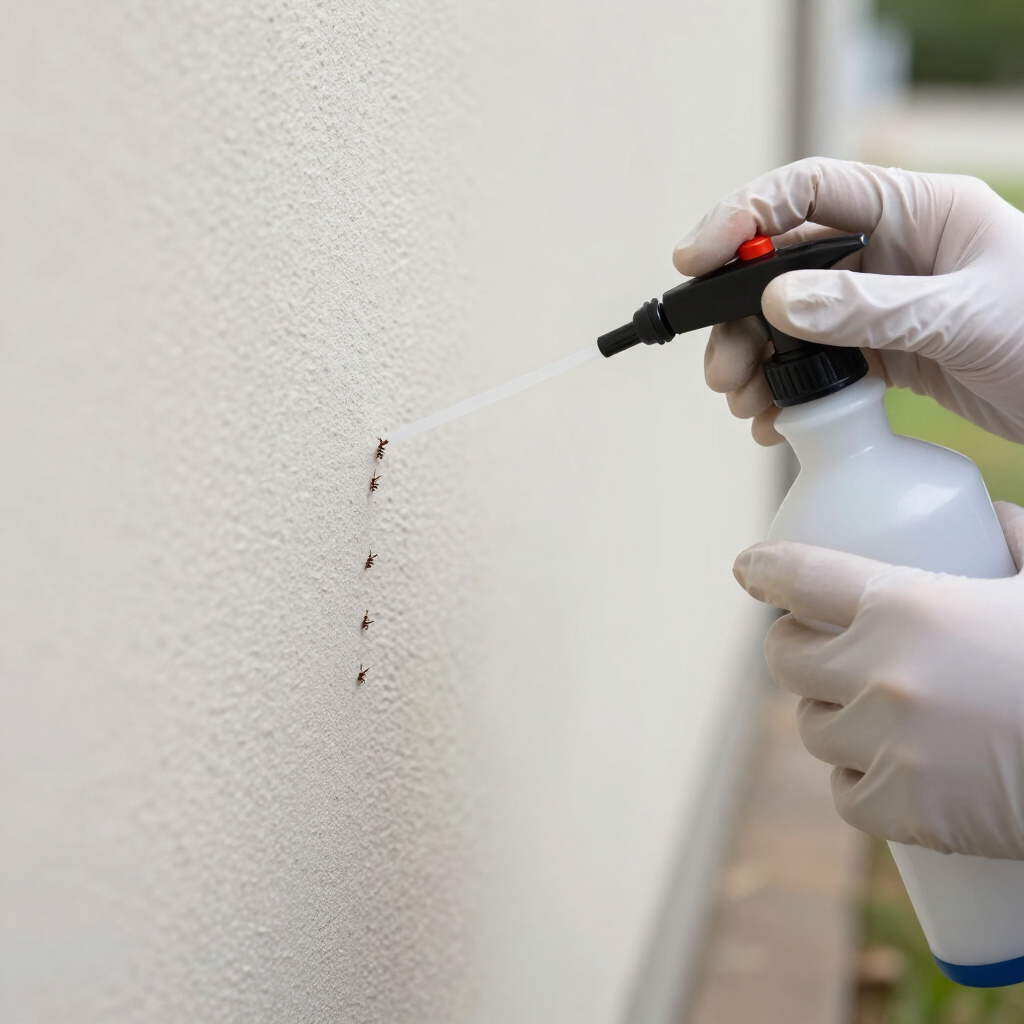
Targeted treatments: For persistent problems, consider applying a residual insecticide around your home's perimeter, focusing on the foundation, door frames, and window sills. Alternatively, diatomaceous earth sprinkled in dry, out-of-reach areas can be effective against spiders and their prey. Always follow product labels carefully and consider professional application for comprehensive coverage.
Regular maintenance schedule: Prevention works best when it becomes routine. Seasonally inspect and refresh caulking and weatherstripping, clean gutters, trim vegetation, and check for new entry points—especially after severe weather. A quarterly perimeter walk-around takes minimal time but catches problems before they escalate.
Final Thoughts
Learning how to keep spiders out of your house is really about understanding what draws them in and systematically removing those attractions. The most successful approach combines physical exclusion, environmental management, and consistent maintenance rather than relying on any single tactic.
Remember that completely eliminating every spider from your property isn't realistic—or necessarily desirable, given their role in controlling mosquitoes, flies, and other nuisance insects. The goal is keeping their presence outside, at levels that don't intrude on your daily life.
If despite your best efforts you're still encountering numerous spiders, unusually large specimens, or species you're concerned might be venomous, don't hesitate to contact a professional pest control service. They can identify the specific species you're dealing with, locate hidden entry points or infestation sources, and implement targeted treatments that protect your family while respecting the environment. Sometimes the most helpful decision is knowing when expert assistance will save you time, worry, and repeated frustration.