

There's nothing quite like the sinking feeling of spotting a single ant on your kitchen counter—because where there's one, there's usually a trail following close behind. Ant invasions can escalate quickly from a minor annoyance to a full-blown kitchen takeover, leaving homeowners frustrated and scrambling for solutions. The good news? With the right prevention strategies, you can stop ants from making themselves at home in your space. Whether you're dealing with tiny sugar ants, determined carpenter ants, or any of the countless species that love to explore human habitats, this guide will walk you through practical, proven methods to keep your home ant-free year-round.
How to Prevent Ants From Invading Your Home by Eliminating Food Sources
Ants are relentless foragers, and the number one thing drawing them indoors is the promise of food. Your first line of defense starts in the kitchen and extends throughout your entire living space. Begin by storing all pantry staples—sugar, flour, cereal, pet food, and snacks—in airtight containers with tight-fitting lids. Ants can squeeze through remarkably small openings, so flimsy packaging won't stop them.
Make daily cleaning a non-negotiable habit. Wipe down countertops after every meal preparation, sweep floors to catch crumbs, and never leave dirty dishes soaking overnight. Even a small smear of honey or a few crumbs under the toaster can broadcast a dinner invitation to nearby ant colonies. Pay special attention to pet feeding areas, where spilled kibble and water create a reliable food and moisture source ants find irresistible.
Don't forget about your trash. Use garbage cans with secure lids, take out trash regularly, and rinse recyclable containers before tossing them in the bin. Outdoor garbage bins should sit away from your home's foundation, and keeping them clean reduces the chances of ants establishing nearby satellite colonies.
Seal Entry Points to Block Ant Access
Ants are master contortionists, capable of slipping through cracks as narrow as a credit card's edge. A thorough inspection of your home's exterior and interior will reveal the highways ants use to enter. Walk the perimeter of your house and examine windows, doors, utility penetrations, foundation cracks, and where siding meets the ground.
Apply silicone caulk to seal gaps around window frames, door thresholds, and where pipes enter your home. Replace worn weatherstripping under doors and install door sweeps if you notice daylight peeking through the bottom. For larger cracks in your foundation, use an appropriate patching compound designed for masonry or concrete repair.
Indoors, check less obvious entry routes: gaps around electrical outlets, spaces behind baseboards, and openings around plumbing fixtures in kitchens and bathrooms. These hidden pathways allow ants to travel through wall voids, making their presence harder to trace when they suddenly appear in your living spaces.
Consider your landscaping, too. Tree branches that touch or overhang your roof, shrubs growing against exterior walls, and mulch piled too high against your foundation all serve as bridges ants eagerly cross. Trim vegetation back to create a buffer zone, and use gravel or rock barriers near your home's base where practical.
Key Tips for Maintaining an Ant-Resistant Home
Beyond the fundamentals of food control and sealing, several additional strategies strengthen your ant prevention efforts significantly. Moisture management deserves serious attention—ants need water to survive, and leaky faucets, damp basements, and condensation around pipes create perfect drinking stations. Fix plumbing issues promptly, improve ventilation in humid areas, and ensure your gutters direct water away from your foundation.
Natural deterrents can supplement your prevention routine. Vinegar solutions disrupt ant scent trails, making it harder for scout ants to lead others to food sources. Cinnamon, peppermint oil, and diatomaceous earth placed along known entry points create barriers many ant species avoid. While these won't eliminate an established colony, they serve as useful components of a comprehensive approach.
Regular perimeter treatments around your home's foundation create a protective zone that stops ants before they reach your walls. Granular ant baits placed strategically outdoors can intercept foragers and, more importantly, get carried back to the colony where the active ingredient affects the queen and developing ants. This colony-level impact makes baiting far more effective than simply killing the workers you see marching across your floor.
Seasonal vigilance matters, too. Ant activity typically ramps up in spring when colonies become active after winter dormancy, and again during hot, dry summer months when outdoor food and moisture become scarce. Increase your prevention efforts during these peak periods, and you'll stay ahead of potential invasions.
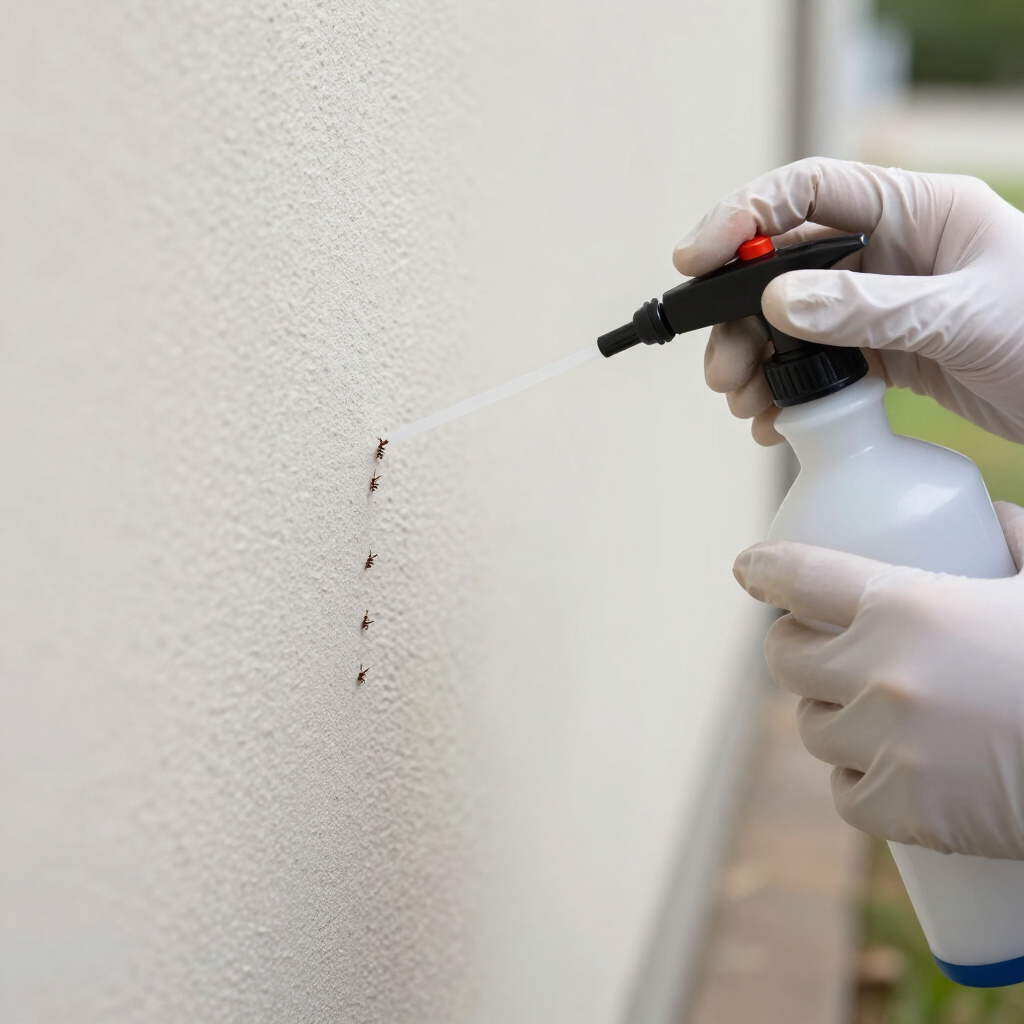
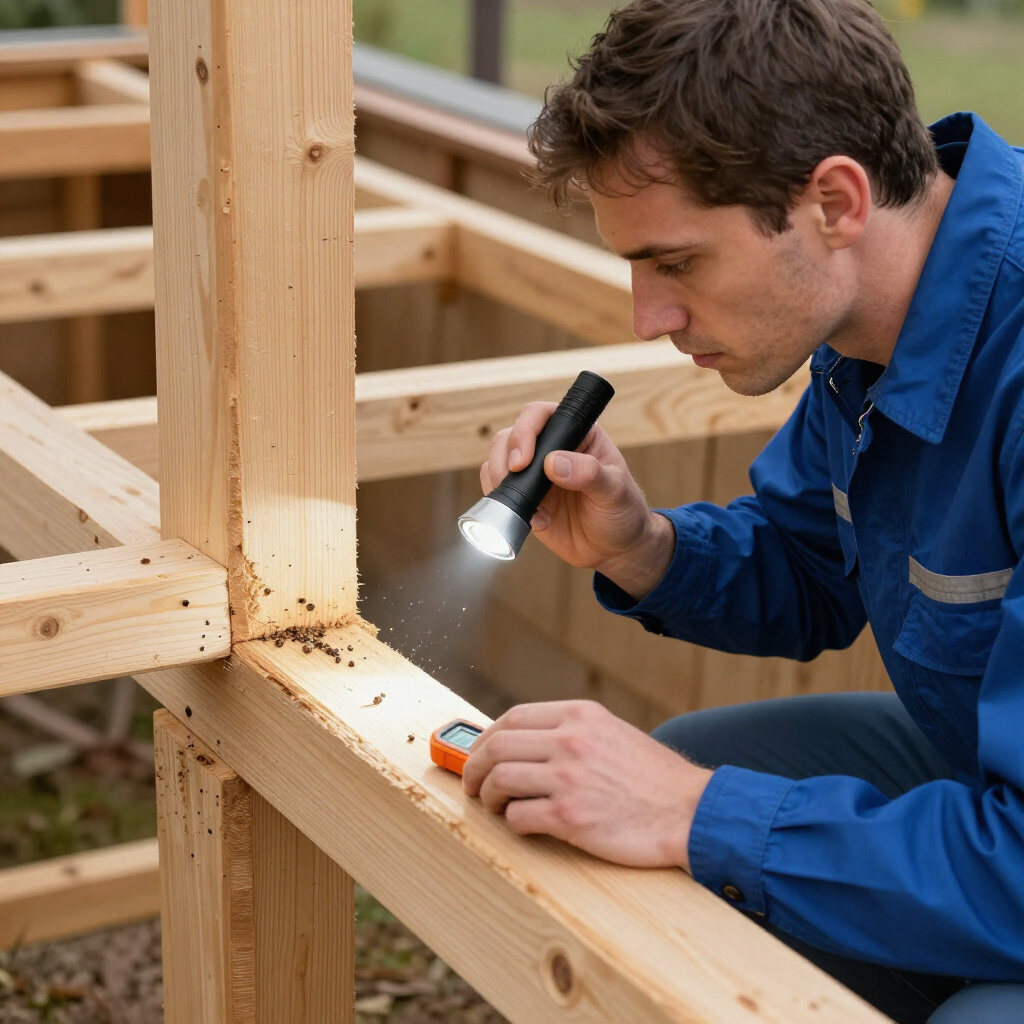
If you notice persistent ant activity despite your best efforts, resist the urge to simply spray visible ants with over-the-counter insecticides. This approach often fragments colonies, causing them to bud into multiple new colonies and worsening your problem. Instead, identify whether you're dealing with a nuisance species or something more destructive like carpenter ants, which can cause structural damage over time.
Final Thoughts
Keeping ants out of your home isn't about a single magic solution—it's about building multiple layers of protection that work together. When you eliminate what attracts them, close off how they enter, and maintain consistent habits that make your property inhospitable to colony expansion, you create an environment where ants simply aren't interested in staying.
The most successful homeowners treat ant prevention as an ongoing practice rather than a one-time fix. Inspect your defenses seasonally, adjust your approach as conditions change, and address small problems before they become overwhelming infestations. With patience and persistence, you can enjoy your home without sharing it with thousands of uninvited six-legged guests.