

Finding an uninvited creature scurrying across your kitchen floor or hearing mysterious scratching in your walls can turn any peaceful evening into a stressful one. Household pests are more than just a nuisance—they can damage your property, contaminate your food, and even pose health risks to your family. The good news? Most infestations are entirely preventable with the right knowledge and consistent habits. Let's explore the most common household pests and the practical steps you can take to keep them outside where they belong.
The Most Common Household Pests and How to Prevent Them
Every region has its own cast of problematic critters, but some invaders show up in homes nationwide regardless of climate or geography. Understanding what attracts these pests and how they gain entry is your first line of defense.
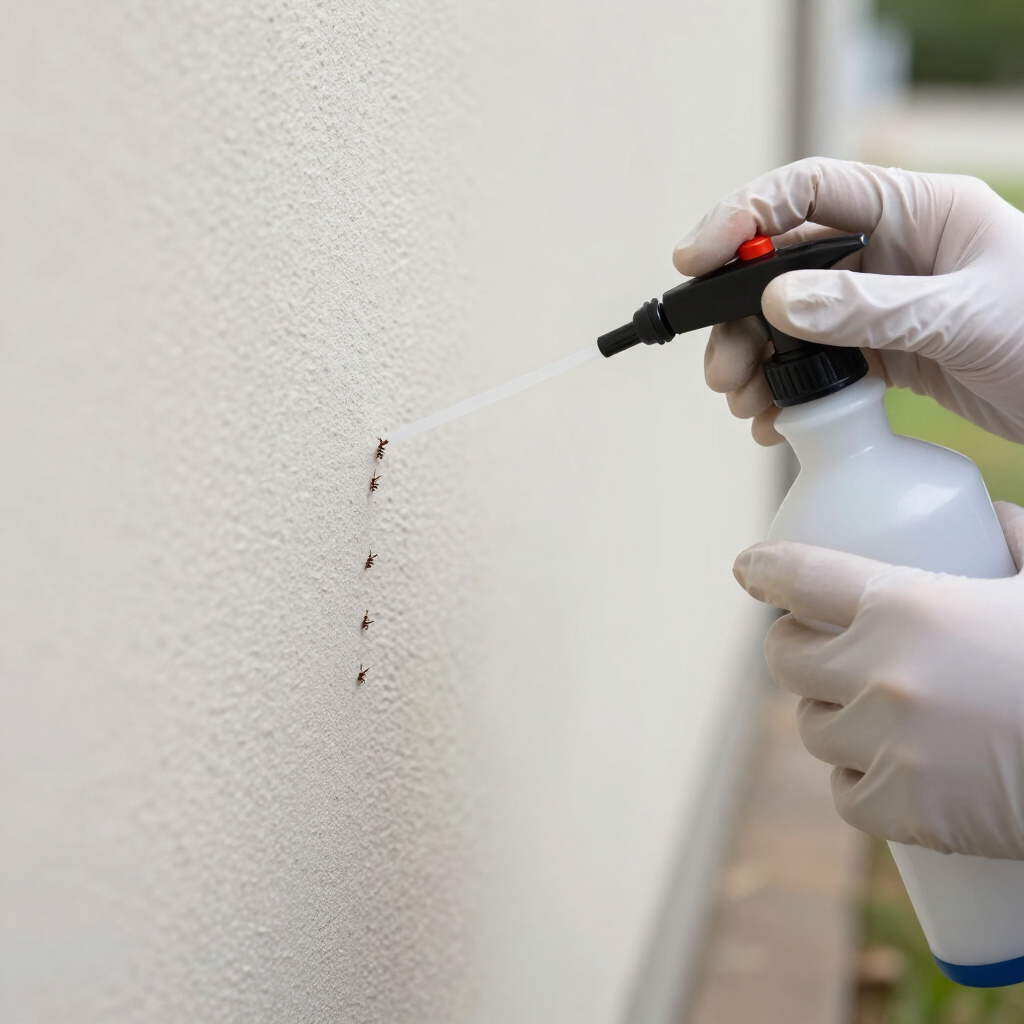
Ants top the list of complaints for good reason. These tiny foragers can detect the smallest food residue and communicate its location to hundreds of colony members within minutes. Sugar ants march toward spills and crumbs, while carpenter ants tunnel through damp wood, causing structural damage that mirrors termite destruction. Prevention starts with immaculate food storage—seal everything in airtight containers, wipe counters daily, and never leave pet food sitting out. Address moisture issues promptly, as damp wood attracts carpenter ants seeking nest sites.
Cockroaches represent one of the most resilient pest challenges. These nocturnal survivors thrive in warm, humid environments with access to water and organic debris. Beyond the visceral disgust factor, roaches spread bacteria, trigger allergies, and exacerbate asthma—particularly in children. Effective prevention means eliminating their three necessities: food, water, and harborage. Fix leaky faucets, seal garbage tightly, declutter cardboard and paper stacks, and apply caulk around pipes and baseboards where they squeeze through impossibly small gaps.
Rodents—mice and rats—bring a special urgency to pest concerns. Their constant gnawing damages wiring (creating fire hazards), insulation, and stored belongings. Droppings and urine contaminate surfaces and food supplies. These opportunists need only a quarter-inch opening to invade. Inspect your home's exterior seasonally, paying special attention to where utility lines enter, foundation cracks, and gaps beneath doors. Steel wool and concrete patching materials resist their determined chewing better than wood or plastic.
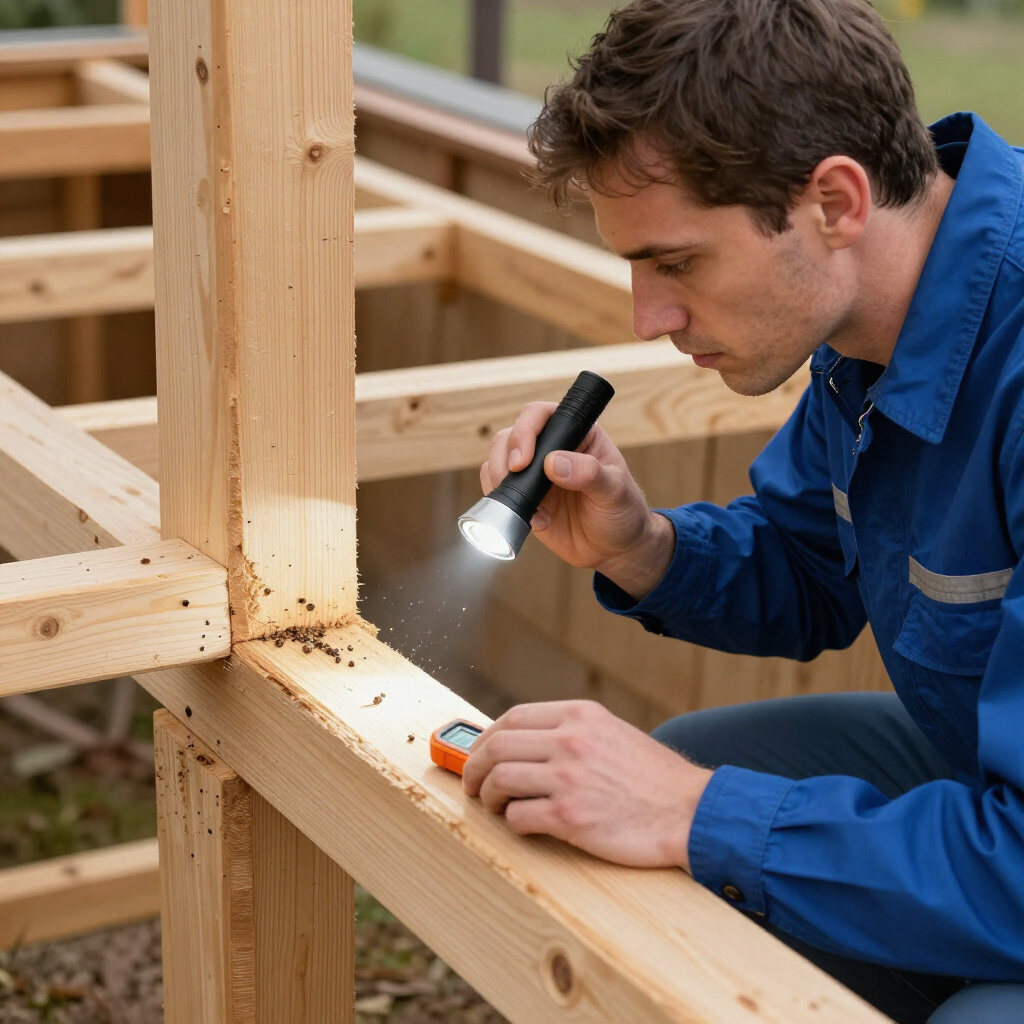
Termites operate silently, often causing thousands in damage before detection. Subterranean species build mud tubes to access wood, while drywood varieties need no soil contact. Prevention focuses on moisture management and wood-to-soil contact elimination. Maintain proper grading away from your foundation, clean gutters regularly, and store firewood at least twenty feet from your home. Annual professional inspections catch early activity that untrained eyes miss entirely.
Spiders, while beneficial predators outdoors, become problematic when abundant indoors or when venomous species like black widows or brown recluses appear. Spider presence typically indicates other insect prey is available. Reduce their food source through general pest prevention, remove cluttered storage where they establish webs, and seal exterior entry points around windows and door frames.
Bed bugs have resurged dramatically, hitchhiking home from hotels, public transit, and secondhand furniture. These nocturnal blood-feeders hide in mattress seams, furniture crevices, and wall voids. Prevention requires vigilance during travel—inspect hotel beds, keep luggage elevated, and launder clothes immediately upon return. Never bring home discarded furniture without thorough examination, and encase mattresses to eliminate hiding spots.
Foundational Prevention Strategies That Work
Specific tactics matter, but lasting protection builds on consistent foundational habits. Think of these as your home's immune system—regular maintenance that resists invasion before targeted treatments become necessary.
Seal your perimeter thoroughly. Pests exploit structural vulnerabilities we barely notice. Walk your home's exterior with fresh eyes, noting gaps around windows and doors, damaged screens, missing vent covers, and foundation cracks. Weatherstripping, door sweeps, fine mesh screens, and quality caulk address most entry points affordably. Don't overlook less obvious routes: dryer vents, chimney openings, and gaps where cable lines penetrate walls.
Master moisture control. Water attracts pests more reliably than food. Repair leaks immediately, improve ventilation in humid spaces like bathrooms and crawl spaces, and ensure proper drainage around your property. Even condensation on cold pipes creates drinking stations for roaches and rodents—simple pipe insulation eliminates this.
Practice disciplined sanitation. This extends beyond visible cleaning to habits that remove pest resources entirely. Store pantry goods in sealed glass or hard plastic containers, not original cardboard or paper packaging. Take garbage out frequently, using cans with tight lids both indoors and out. Clean pet feeding areas nightly, and avoid leaving dirty dishes soaking overnight.
Manage your landscape mindfully. Your yard bridges the natural world to your home. Trim tree branches and shrubs away from rooflines and walls, eliminating highways for ants, rodents, and spiders. Keep mulch and soil several inches below siding to discourage termite exploration. Stack firewood off the ground and away from structures. Even bird feeders, while pleasant, spill seeds that sustain rodent populations close to your foundation.
When to Call a Professional
DIY prevention handles most situations admirably, but certain scenarios warrant expert intervention. Recurring infestations despite your best efforts suggest hidden entry points, unknown attractants, or established colonies requiring specialized treatment. Termite activity always demands professional assessment—homeowner solutions cannot address colony elimination. Bed bugs similarly resist amateur approaches, with improper treatment often spreading the problem. Finally, consider professional help when health-compromising pests (venomous spiders, disease-vectoring rodents) appear, or when infestation scale exceeds your capacity to address safely and thoroughly.
Professional pest control brings diagnostic expertise, targeted treatments inaccessible to consumers, and ongoing monitoring programs. The investment typically proves more economical than repairing unchecked damage or replacing contaminated belongings.
Final Thoughts
Preventing household pests isn't about achieving perfection—it's about consistency and awareness. The homes that stay pest-free aren't necessarily the newest or most expensive; they're the ones where residents notice small problems before they multiply, seal gaps before creatures discover them, and maintain habits that remove the conditions pests need to thrive.
Start with one thorough inspection this weekend. Seal what you can, clean what you've postponed, and schedule what exceeds your expertise. Your future self—relaxing in a genuinely peaceful home—will thank you for the effort invested today.