

When ants march across your kitchen counter or aphids cluster on your tomato plants, reaching for a harsh chemical spray might feel like the quickest fix. But more homeowners are discovering that natural pest control methods can be just as effective—without the worry of toxic residues around children, pets, or pollinators. The key is knowing which approaches genuinely work and how to apply them strategically. Whether you're dealing with indoor invaders or garden pests, these proven techniques can help you reclaim your space while keeping your home and yard healthier overall.
Natural Pest Control Methods That Actually Work in Your Home
The most successful natural approaches combine prevention with targeted treatments. Start by eliminating what attracts pests in the first place. Store dry goods in airtight glass or metal containers, fix leaky faucets promptly, and keep counters free of crumbs and sticky residues. These simple habits remove the food and water sources that sustain infestations.
For active problems, diatomaceous earth stands out as a remarkably effective natural option. This fine powder, made from fossilized aquatic organisms, damages the exoskeletons of crawling insects like ants, cockroaches, and silverfish, causing them to dehydrate. Sprinkle food-grade diatomaceous earth along baseboards, behind appliances, and in other pest pathways. Reapply after vacuuming or if the powder becomes damp, as moisture reduces its effectiveness.
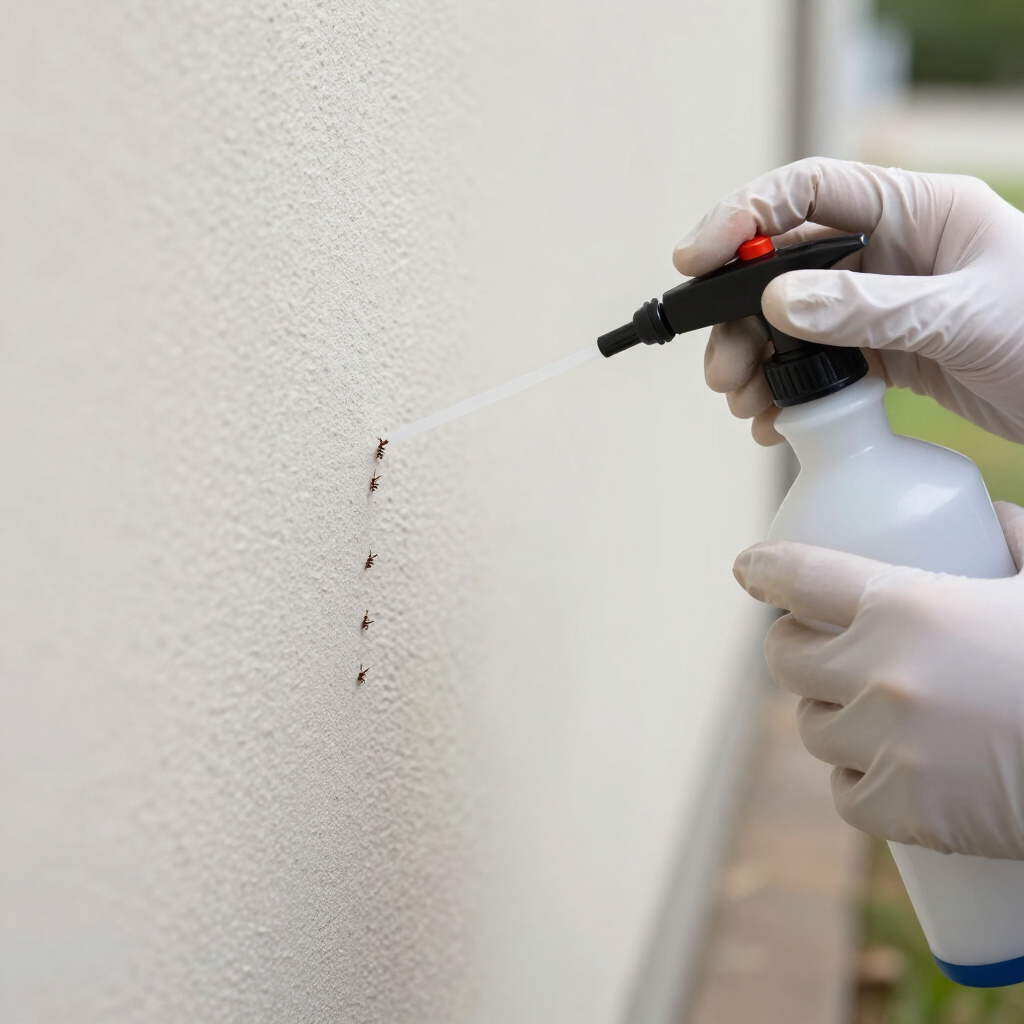
Essential oils offer another powerful tool when used correctly. Peppermint oil repels spiders and ants, while tea tree and eucalyptus oils deter a broader range of insects. Mix fifteen drops of your chosen oil with one cup of water in a spray bottle, shake well, and apply to entry points, window sills, and other problem areas. Note that essential oils evaporate quickly, so reapplication every few days maintains their protective barrier. Always test on surfaces first, as some oils can damage certain finishes.
Sticky traps and pheromone traps work wonders for monitoring and reducing populations of pantry moths, fruit flies, and certain crawling insects. Place them where you've noticed activity to capture adults before they reproduce. For fruit flies specifically, a small dish of apple cider vinegar covered with plastic wrap and punctured with tiny holes attracts and traps these persistent kitchen pests.
Natural Pest Control Methods That Actually Work in the Garden
Your outdoor spaces present different challenges, but nature itself provides many of the solutions. Beneficial insects are perhaps the most underutilized resource in natural pest management. Ladybugs voraciously consume aphids, mealybugs, and mites. Lacewing larvae attack thrips, whiteflies, and caterpillars. Parasitic wasps, though harmless to humans, lay eggs inside pest insects, eventually killing them. Attract these allies by planting diverse flowering plants—dill, fennel, yarrow, and cosmos are particular favorites—and avoid broad-spectrum pesticides that harm friend and foe alike.
Neem oil, derived from the seeds of the neem tree, deserves its reputation as a garden staple. It disrupts feeding and growth patterns in over two hundred pest species including aphids, spider mites, scale, and Japanese beetles. Apply neem oil in early morning or evening to avoid leaf burn, and coat both upper and lower leaf surfaces thoroughly. Because neem affects insects at various life stages, consistent weekly applications during active pest periods yield the best results.
Companion planting creates natural pest deterrents through strategic plant relationships. Marigolds release compounds from their roots that repel root-knot nematodes, while their strong scent confuses many above-ground pests. Nasturtiums act as trap crops, drawing aphids away from vegetables. Basil planted near tomatoes may repel flies and mosquitoes, and strong-smelling herbs like rosemary and sage can mask the scents that attract pest insects to your crops.
Physical barriers complete your garden defense system. Floating row covers exclude cabbage worms, flea beetles, and squash vine borers from reaching plants. Copper tape around raised beds delivers a mild electric charge that slugs and snails avoid. Handpicking larger pests like tomato hornworms and Japanese beetles, though labor-intensive, provides immediate relief without any environmental impact. Drop collected pests into a bucket of soapy water.
Key Tips for Making Natural Methods Succeed
Natural pest control requires patience and consistency that chemical shortcuts don't demand. Start treatments at the first sign of trouble rather than waiting for full-blown infestations. Monitor your home and garden regularly—weekly inspections catch problems while they're still manageable. Keep detailed notes about what works in your specific conditions, as microclimates and local pest pressures vary considerably.
Combine multiple tactics rather than relying on any single method. A kitchen ant problem, for example, responds best to eliminating food sources, sealing entry points with caulk, applying diatomaceous earth to active trails, and using essential oil sprays at doorways. This integrated approach addresses the current invasion while preventing reinfestation.
Understand that "natural" doesn't mean "instant." Biological controls and botanical treatments often take several days to show full results as they work through pest life cycles. Resist the urge to layer on additional treatments too quickly, which can harm beneficial organisms and create unnecessary expense. Give each method adequate time before evaluating its effectiveness.
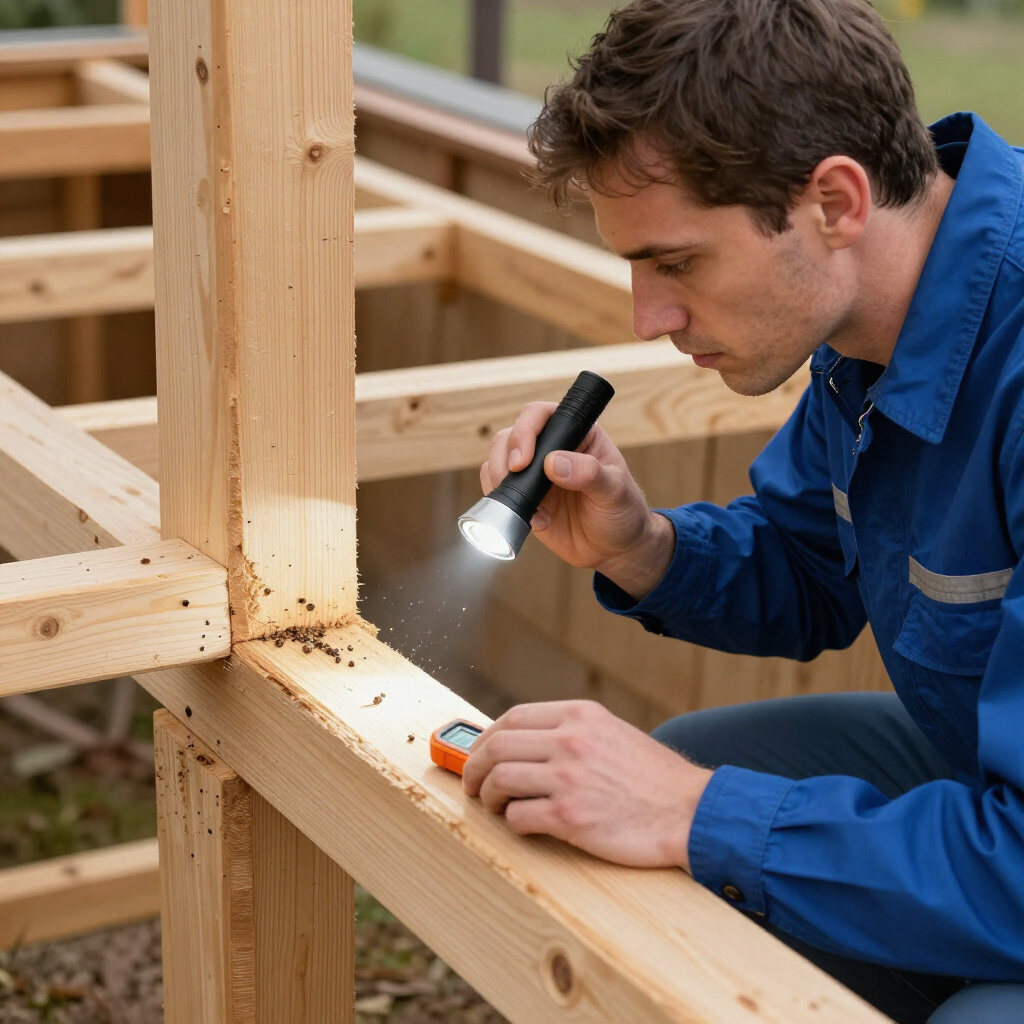
Finally, maintain realistic expectations. Natural methods excel at prevention and management of moderate pest pressures. Severe, established infestations—particularly of termites, bed bugs, or extensive carpenter ant colonies—may require professional intervention. Reputable pest control companies increasingly offer integrated pest management programs that incorporate natural and low-toxicity options alongside conventional treatments when necessary.
Final Thoughts
Natural pest control methods that actually work are built on observation, prevention, and persistence. By understanding pest behavior, removing attractants, and applying targeted natural treatments, you can maintain comfortable, healthy spaces without automatic reliance on synthetic chemicals. The approaches outlined here—diatomaceous earth, essential oils, beneficial insects, neem oil, companion planting, and physical barriers—have proven their effectiveness across countless homes and gardens. Start with the strategies that match your current challenges, stay consistent with your efforts, and adjust based on results. Over time, you'll develop a personalized system that keeps pests at bay while supporting the broader ecosystem around your home.