
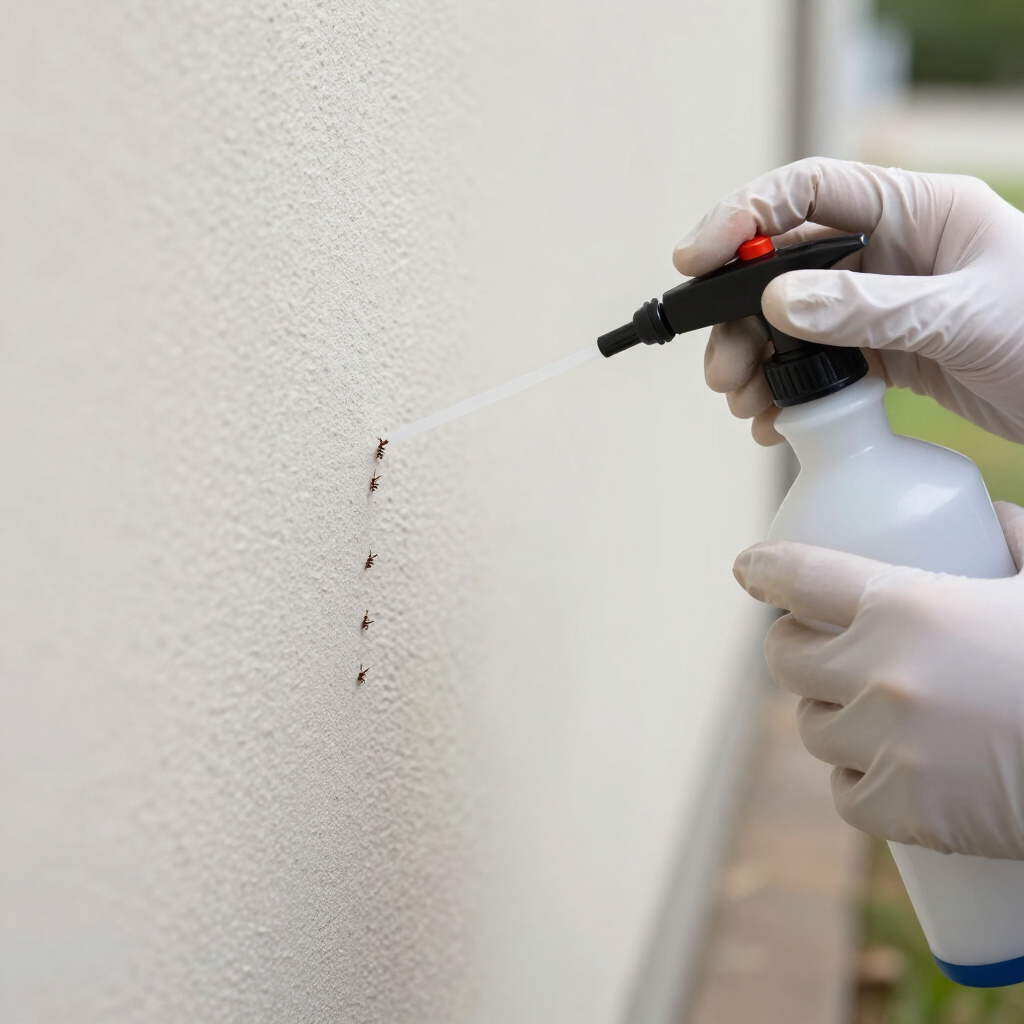


Every season brings something new to your garden—blooming flowers in spring, barbecues in summer, colorful leaves in fall, and cozy nights by the fire in winter. Unfortunately, each season also brings its own lineup of unwanted visitors. Pests don't take vacations, and their behavior shifts throughout the year in predictable patterns. A reactive approach—reaching for a spray only after you spot ants marching across your countertop—often means you're already behind. The smarter strategy? A seasonal pest control checklist that keeps you one step ahead of whatever nature sends your way. Here's your year-round guide to protecting your home, tailored to what pests are doing and when.
Your Seasonal Pest Control Checklist Starts in Spring
Spring is when pest populations explode. As temperatures rise, overwintering insects emerge from their hiding spots, and colonies that survived the cold begin rapid expansion. This is your most critical window for preventive action. Start your seasonal pest control checklist with a thorough exterior inspection. Walk your property and seal cracks in your foundation, gaps around utility lines, and damaged window screens. Even openings as small as a pencil eraser can admit ants, spiders, and other invaders.
Pay special attention to moisture management. Spring rains create ideal conditions for termites, millipedes, and sowbugs. Clean your gutters, ensure downspouts direct water away from your foundation, and fix any leaky outdoor faucets. Trim shrubs and tree branches back from your home's exterior—vegetation touching your walls acts as a highway for pests and traps moisture against siding.
Inside, declutter storage areas where rodents and insects might nest. Inspect your attic and crawl space for signs of overwintering wasp queens or rodent activity. If you had issues with ants or other pests last year, spring is when baiting programs prove most effective, as foraging workers establish new trails and share food with their colonies.
Summer: Peak Activity Demands Vigilance
Summer represents peak pest pressure. Warm temperatures accelerate reproduction, and longer days mean extended foraging hours. Mosquitoes, flies, wasps, and ants become daily nuisances, while ticks and fleas thrive in tall grass and shaded areas.
Your seasonal pest control checklist for summer should prioritize outdoor maintenance. Keep your lawn mowed to three inches or shorter to reduce tick habitat. Eliminate standing water weekly—birdbaths, plant saucers, clogged gutters, and even bottle caps can breed mosquitoes. Consider installing yellow "bug" lights on porches and patios; they're less attractive to flying insects than standard white bulbs.
Food management becomes crucial during barbecue season. Never leave pet food outdoors overnight, clean grill grease traps regularly, and use sealed containers for garbage and recycling. Wasps are particularly drawn to protein sources early in summer and sugary foods later on, so adjust your vigilance accordingly.
Indoors, monitor for ants seeking water during dry spells and cockroaches exploiting humid basements or utility rooms. Run dehumidifiers in damp spaces and address plumbing leaks promptly. If you spot a few ants, trace their trail and treat the entry point—summer colonies are large and established, so quick intervention prevents bigger problems.
Fall: The Rush for Winter Shelter
As days shorten and temperatures drop, pests shift into survival mode. Rodents, boxelder bugs, stink bugs, cluster flies, and lady beetles all seek warm overwintering sites—and your home looks inviting. Fall is your last chance to block entry before pests settle in for months.
Focus your seasonal pest control checklist on exclusion. Install door sweeps and weatherstripping, repair torn screens, and seal gaps around chimneys, vents, and where pipes enter your home. Check your roofline for damaged fascia boards or gaps in soffits that squirrels or bats might exploit. Rodents can squeeze through holes just a quarter-inch wide, so be meticulous.
Store firewood at least twenty feet from your home and elevate it off the ground. This simple step reduces termite, ant, and rodent harborage near your foundation. Rake fallen leaves promptly; they create moist shelter for millipedes, sowbugs, and overwintering insects right against your exterior walls.
Inside, inspect your attic for proper ventilation and signs of rodent gnawing. Install screens over attic vents and chimney openings. If you've had rodent issues previously, set traps in secluded areas before cold weather drives new invaders indoors. Remember: once rodents establish nests in your walls or attic, removing them becomes far more challenging.
Winter: Monitor and Maintain
Pest activity slows in winter, but it doesn't stop. Rodents remain active year-round indoors, and overwintering insects like stink bugs or cluster flies may emerge on warm days, confused by indoor heating. Cockroaches and silverfish continue breeding in warm, humid areas of your home.
Your winter seasonal pest control checklist emphasizes monitoring and maintenance. Continue inspecting storage areas, pantries, and basements for droppings, gnaw marks, or shed skins. Store dry goods in airtight containers and clean under appliances where crumbs accumulate.
Use this quieter season for structural improvements that pay off year-round. Insulate pipes properly to prevent condensation that attracts pests. Repair water damage from ice dams, as moist wood invites carpenter ants and other wood-destroying organisms. Schedule a professional termite inspection if your home hasn't been evaluated recently—termites remain active even in winter, silently damaging structures from within.
Finally, use winter downtime to plan your spring strategy. Note where you observed pest activity throughout the year, research permanent solutions for recurring issues, and schedule any professional treatments before the spring rush.
Key Tips for Year-Round Success
Consistency separates effective pest management from frustrating cycles of infestation and reaction. These principles strengthen every season's efforts:
Document everything. Keep a simple log of pest sightings, weather conditions, and what control measures you applied. Patterns emerge over time—perhaps ants always appear after heavy rain, or wasps nest in the same eave annually. This insight lets you target interventions precisely.
Resist over-reliance on sprays. Broadcast pesticide applications often kill beneficial insects and create resistant pest populations. Focus instead on exclusion, sanitation, and targeted treatments based on identified pests. When pesticides are necessary, choose baits and gels applied directly to harborage areas rather than perimeter sprays.
Know when to call professionals. DIY management handles most routine pest issues, but certain situations warrant expert help: termite evidence, extensive rodent infestations, recurring carpenter ant activity, stinging insect nests in hazardous locations, or any pest problem compromising health and safety. Professionals also access tools and products unavailable to homeowners.
Treat your property as an ecosystem. Pest problems rarely have single causes. That ant trail in your kitchen might trace back to a rotting fence post, overhanging branches, a dripping bathroom pipe, and crumbs under your toaster. Addressing only the visible symptom guarantees return visits.
Final Thoughts
Pest control isn't a one-time event—it's a rhythm that follows nature's calendar. By aligning your efforts with seasonal pest behavior, you transform from a frustrated reactor into a prepared defender. Your seasonal pest control checklist provides the framework; consistent application builds the protection. Start this spring with thorough exterior sealing and moisture control, maintain vigilance through summer's peak activity, execute careful exclusion before fall's invasion, and use winter wisely for monitoring and planning. The homeowners who sleep soundly aren't luckier—they're simply better prepared. Your proactive approach today prevents tomorrow's infestation, preserving both your home's integrity and your peace of mind through every season.