
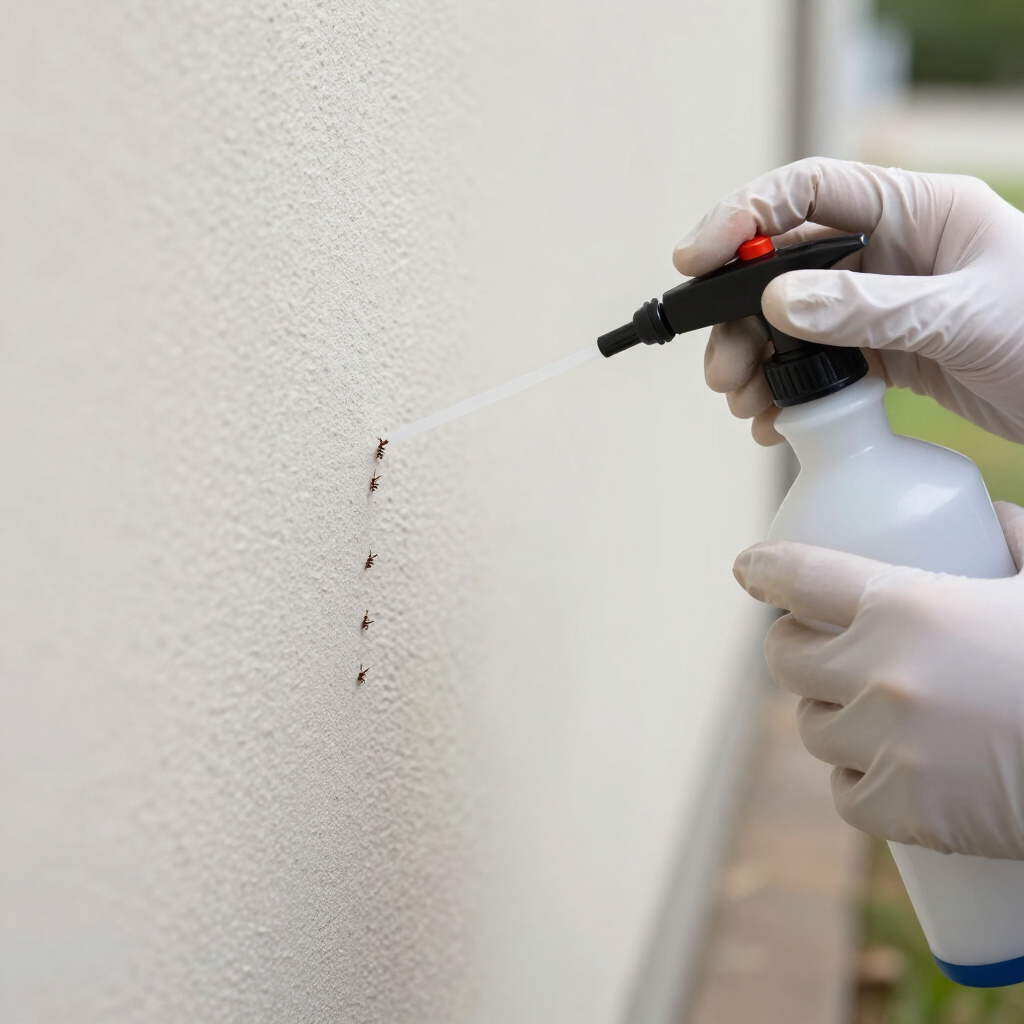

Termites are often called "silent destroyers" for good reason. These tiny pests can chew through wood, flooring, and even wallpaper undetected for months or even years, causing thousands of dollars in damage before you ever realize they are there. Whether you live in a historic home with plenty of wood features or a newer construction, no property is entirely safe from termite activity. Knowing the early warning signs can mean the difference between a minor treatment and a major structural repair. In this guide, we will walk you through the most common indicators that termites may have moved in—and what to do if you spot them.
Signs You May Have Termites: Visible Clues Around Your Home
One of the most frustrating things about termite infestations is that they often begin in places you rarely inspect. However, as colonies grow, the signs become harder to miss. Here are the visible indicators every homeowner should watch for:
Mud tubes on exterior walls. Subterranean termites, the most common type in the United States, build pencil-thin mud tubes to travel between their underground colony and their food source. These tubes protect them from predators and drying out. You will typically find them on foundation walls, in crawl spaces, or along exterior surfaces.
Discarded wings near windows and doors. Swarming termites shed their wings after finding a mate and establishing a new colony. If you notice small piles of translucent, equal-sized wings—often described as looking like fish scales—this is a strong sign that a termite swarm has occurred nearby, and possibly inside your home.
Frass, or termite droppings. Drywood termites push their fecal matter out of small holes in the wood they are infesting. Frass looks like tiny wood-colored pellets or sawdust and often accumulates in small piles beneath infested areas. Unlike sawdust from construction, frass has a granular, almost salt-and-pepper appearance.
Bubbling or peeling paint. When termites tunnel through walls, they introduce moisture that can cause paint to bubble, crack, or peel. This can look very similar to water damage, which is why it is often misdiagnosed. If you notice this in an area with no plumbing nearby, termites could be the hidden culprit.
Structural and Auditory Signs of Termite Activity
Beyond what you can see, termites leave behind other telltale evidence of their presence. Paying attention to how your home sounds and feels can help you catch an infestation earlier:
Hollow-sounding wood. Tap on baseboards, wooden beams, and hardwood floors with the handle of a screwdriver. If the wood sounds papery or hollow, termites may have eaten away the interior while leaving the outer shell intact. This is especially common in areas near the ground or in damp basements.
Sagging floors and ceilings. As termites consume wooden support structures, those materials lose their strength. You might notice floors that feel spongy underfoot, ceilings that sag, or door frames that no longer fit properly because the surrounding wood has warped or weakened.
Quiet clicking noises inside walls. Believe it or not, you can sometimes hear termites at work. Soldier termites bang their heads against wood or shake their bodies to signal danger to the colony, creating a faint clicking sound. You may also hear a rustling noise as workers move through tunnels. If you press your ear to a wall and hear these sounds, it is time to call a professional.
Doors and windows that stick. While humidity often causes wood to swell, termite damage can create the same effect. As they tunnel through door and window frames, the resulting moisture and structural distortion can make opening and closing them difficult.
Key Tips for Inspecting Your Property
Regular inspections are your best defense against extensive termite damage. You do not need to be a pest control expert to perform a basic check, but knowing where and how to look makes all the difference:
Start with the perimeter of your home. Walk the foundation line and examine any wood that contacts soil directly. This includes porch steps, deck posts, and wooden siding that extends below grade. These are prime entry points for subterranean termites.
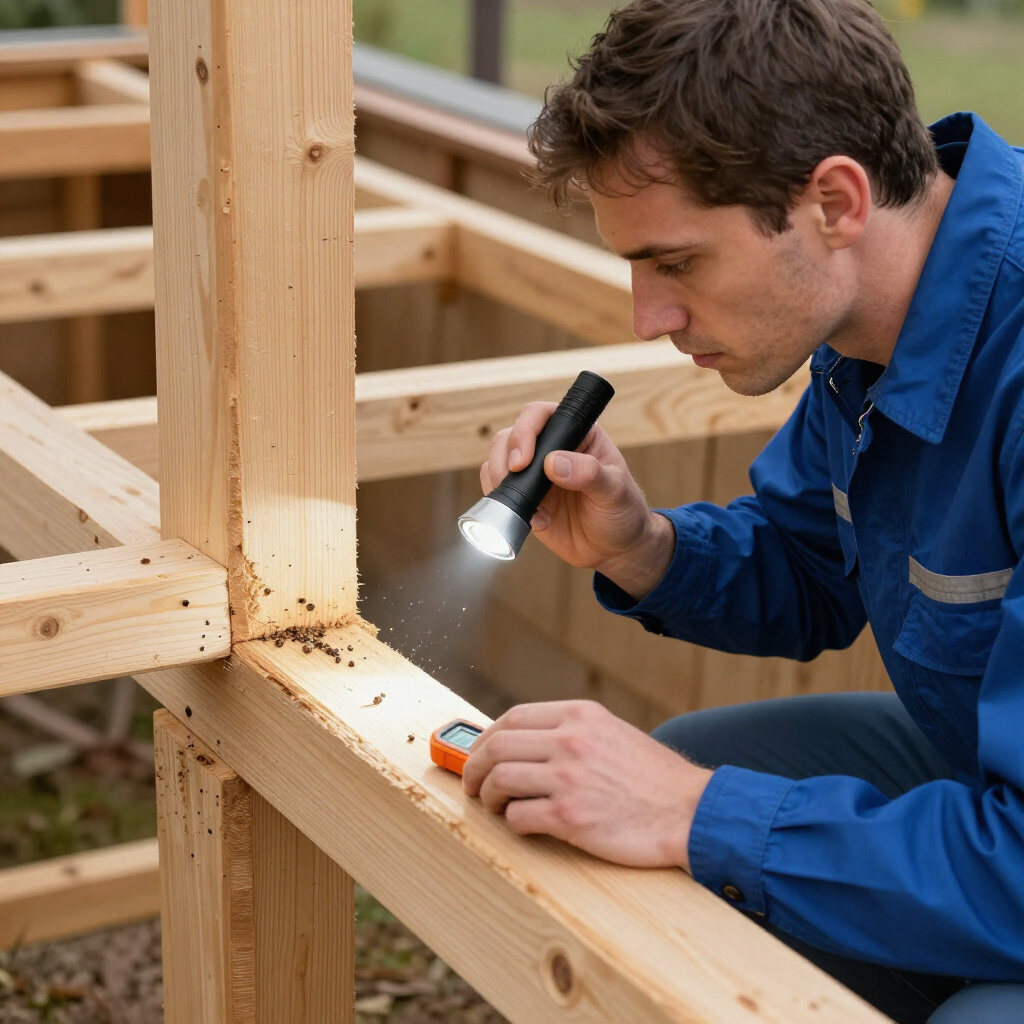
Check your crawl space or basement with a flashlight at least twice a year. Look for mud tubes, damaged wood, and any moisture issues that might attract termites. If you are uncomfortable entering these spaces, a professional inspection is well worth the investment.
Inspect attics for discarded wings and damaged roof sheathing. While less common, termites can enter through roof lines, especially if tree branches touch your home or if you have experienced moisture problems from leaks.
Maintain proper drainage around your property. Termites are drawn to moisture, so keeping gutters clean, downspouts directed away from the foundation, and landscaping graded properly reduces your risk significantly.
Store firewood, lumber, and mulch away from your home's exterior. These materials act as termite magnets and provide a convenient bridge for colonies to access your house.
Schedule a professional termite inspection annually, even if you see no signs of activity. Pest control professionals have specialized tools—including moisture meters, infrared cameras, and acoustic detectors—that can reveal hidden infestations long before they become visible to the untrained eye.
Final Thoughts
Recognizing the signs you may have termites early is essential to protecting your home and your wallet. From mud tubes and discarded wings to hollow wood and mysterious clicking sounds, these warning signals deserve immediate attention. Termites work around the clock, and delaying action only gives them more time to compromise your home's structural integrity. If you notice any of the indicators discussed here, do not wait. Contact a licensed pest control professional who can confirm the presence of termites, identify the species, and recommend a targeted treatment plan. With vigilance and prompt response, you can stop these silent destroyers before they cause irreparable harm.